From Boardroom to Classroom: Real-World Examples of AI Presentations in Action


Walk into any boardroom, classroom, or auditorium, and you’ll likely see a presentation in action. For decades, slides have been the canvas for ideas, numbers, and stories. But creating those slides has often been time-consuming and intimidating – especially for those who aren’t professional designers.
That’s where artificial intelligence is stepping in. AI isn’t just speeding up the process of presentation creation – it’s reshaping how ideas are structured, how visuals come to life, and how stories connect with audiences. From the high-stakes world of financial reporting to the inspiration-driven stage of motivational speakers, AI-powered presentations are quietly becoming the new norm.
Let’s explore how this transformation is unfolding in different arenas – through real-world examples that reveal both the power and potential of AI.
The Boardroom: Smarter Business Presentations
In the corporate world, time is often the most precious resource. Executives need insights at a glance, not a 100-slide deck with unreadable charts.
- Investor Pitch Decks: Startups can now generate sleek pitch decks in hours instead of weeks. With AI, the messy jumble of notes, financial data, and competitor analysis can be reshaped into a polished, story-driven presentation that investors will remember.
- Sales Enablement: Sales teams can input client data, and AI suggests slide templates, messaging, and even visual metaphors tailored to that specific industry.
- Executive Briefings: Instead of combing through dense reports, AI can summarize them into concise executive slides that get straight to the point.
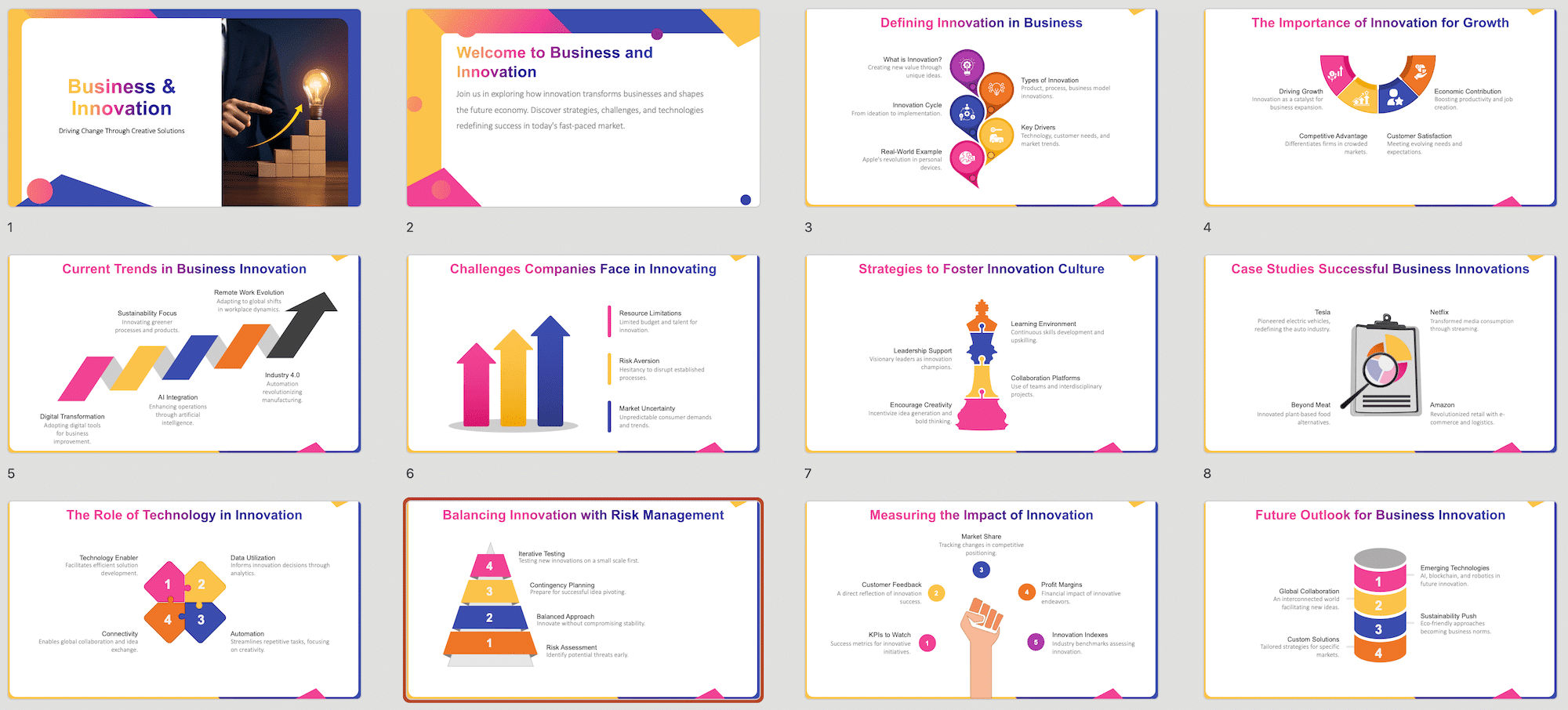
The Classroom: Empowering Teachers and Students
Teachers and students face an age-old challenge: turning complex material into content that holds attention. AI is stepping up as an ally here.
- For Teachers: AI tools generate slides that align with lesson objectives – think ready-made infographics for a history lesson or science visuals that explain processes step by step.
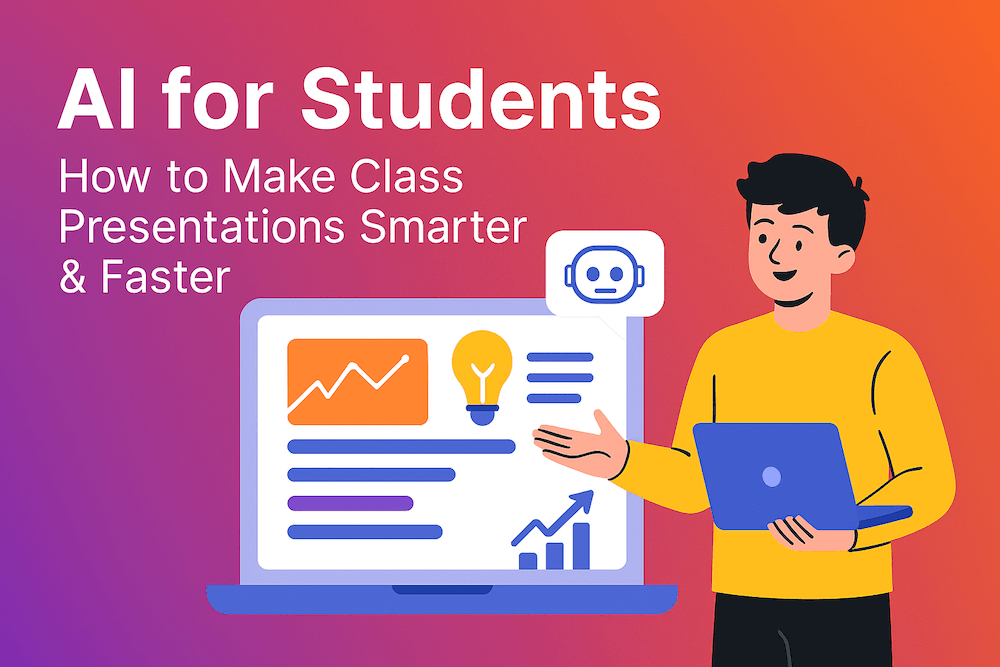
- For Students: AI helps nervous presenters craft professional-looking slides, freeing them to focus on delivery and learning.
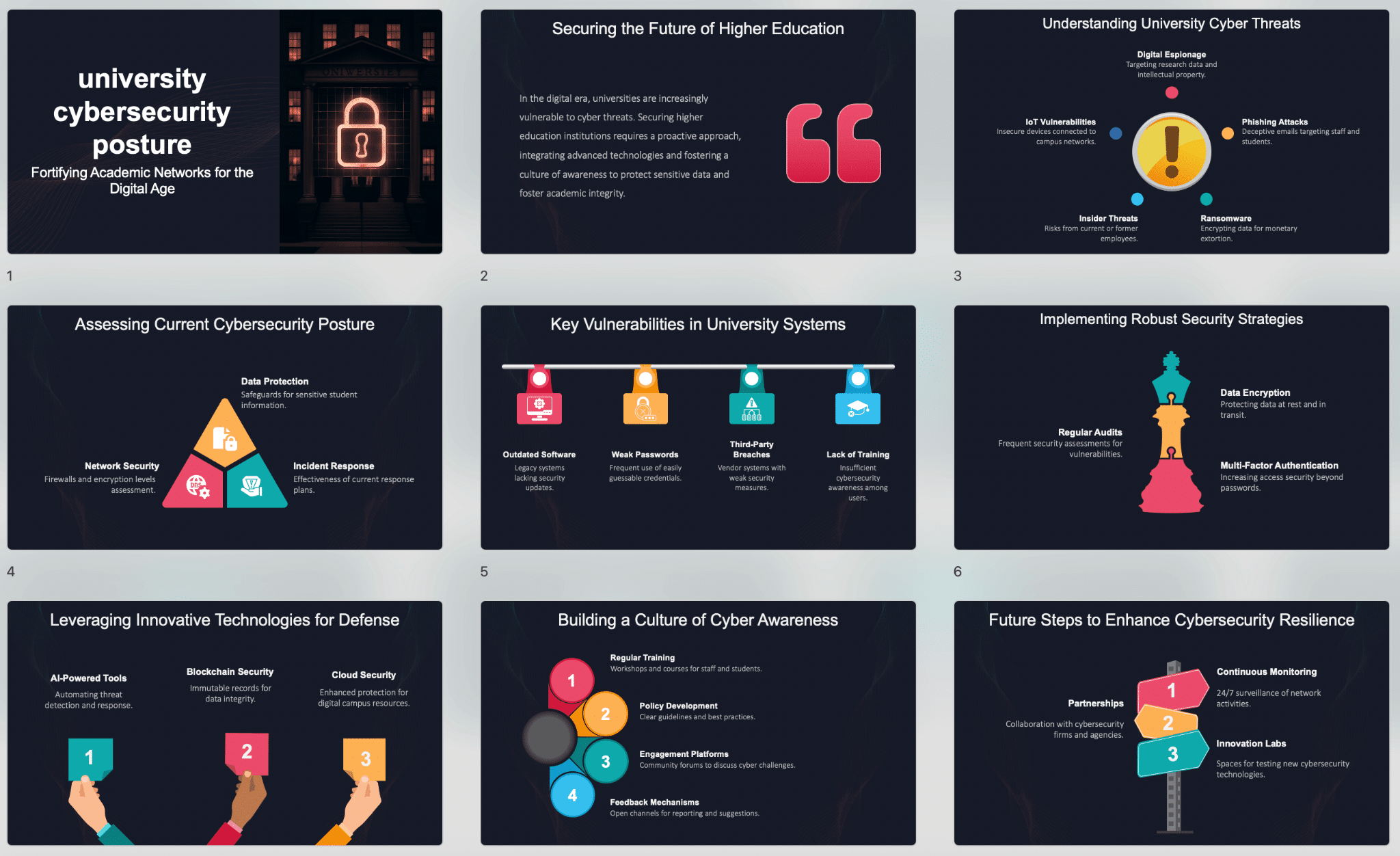
Academia & Research: Presenting Complex Data Simply
Academics often struggle with one painful reality: their groundbreaking research is buried in jargon and data tables that lose audiences within minutes. AI offers a solution by:
- Summarizing research papers into digestible slide decks.
- Highlighting core findings through visual storytelling instead of endless bullet points.
- Helping researchers rehearse with AI-driven “presenter coaches.”
Motivational Speakers: Inspiring with Visual Storytelling
On the motivational stage, words are powerful – but visuals make them unforgettable. AI is helping speakers bring their ideas to life:
- Designing minimalist, high-impact slides that reinforce key messages.
- Suggesting imagery that aligns with metaphors (a mountain peak for perseverance, a sunrise for new beginnings).
- Maintaining branding consistency across multiple talks.
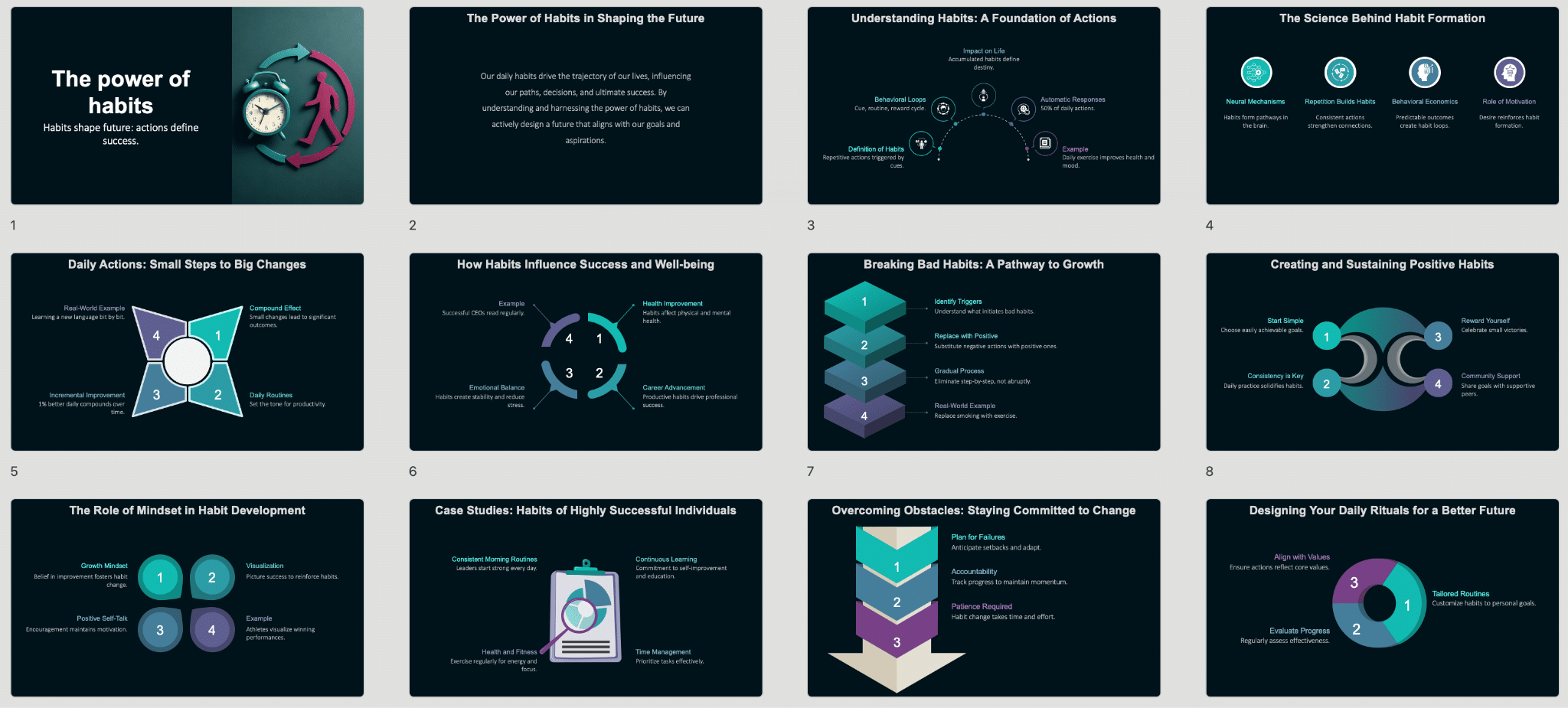
Healthcare & Training: Knowledge Sharing at Scale
Whether in a hospital or a corporate training room, clarity saves time – and sometimes, even lives.
- Doctors use AI to simplify medical case studies into patient-friendly visuals.
- Hospitals employ AI to design training slides for new protocols.
- HR teams rely on AI for onboarding presentations that blend information with engagement.
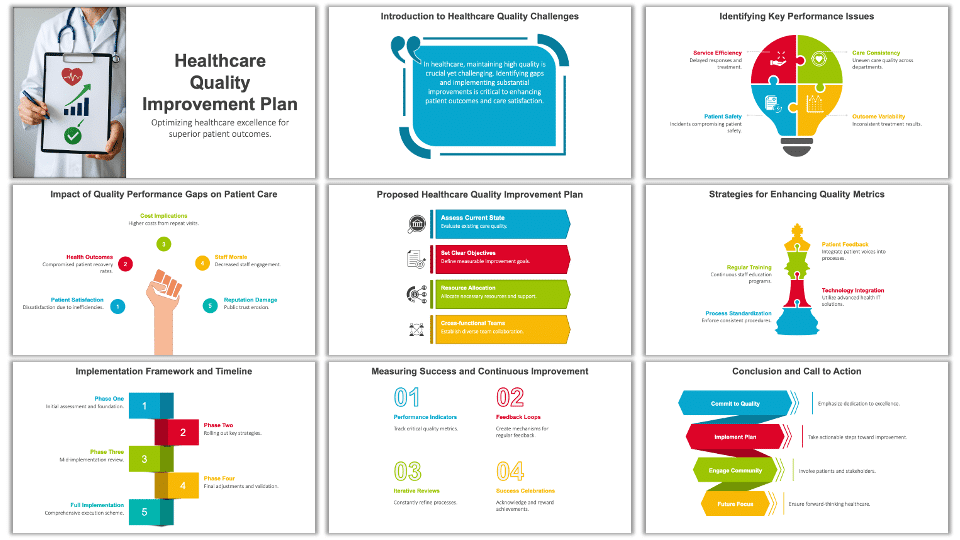
Nonprofits & Social Impact: Amplifying Voices
For nonprofits, every dollar and every minute counts. AI-powered presentations make advocacy and fundraising more effective by:
- Creating campaign slides that combine striking visuals with compelling calls to action.
- Crafting donor presentations that feel personalized and professional, even on a shoestring budget.
Common Benefits Across Sectors
Despite their differences, all these stories reveal common threads:
- Speed: Hours instead of days.
- Professionalism: Slides that look like they were crafted by designers.
- Accessibility: Even non-designers can now create polished decks.
- Storytelling Power: AI doesn’t just organize content – it shapes narratives.
Challenges & Considerations
Of course, AI isn’t a silver bullet. Over-reliance can lead to generic slides that lack soul. Financial or medical contexts demand human oversight to ensure accuracy. And ethical use – ensuring AI-generated content is inclusive, accurate, and respectful – must remain top of mind.
The key is balance: letting AI handle the heavy lifting of design and formatting, while humans bring the empathy, nuance, and creativity.
Conclusion
From boardrooms to classrooms, from trading floors to TEDx stages, AI-powered presentations are helping people share ideas faster and more effectively than ever before.
The real story here isn’t about machines replacing humans – it’s about machines empowering humans. By automating the repetitive, AI gives us more room for what truly matters: crafting stories that move people, data that makes sense, and visuals that inspire action.
So the next time you sit down to build a deck, remember: you don’t have to start from a blank slide anymore. AI is ready to be your co-creator.